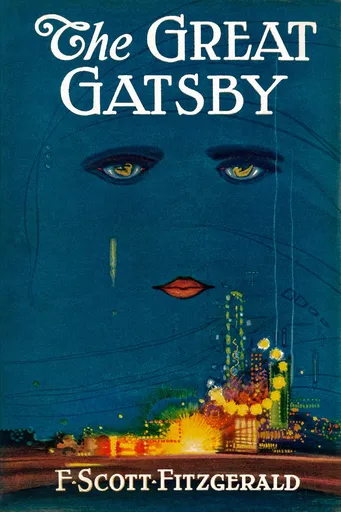


It's about time I confess I'm not fond of The Great Gatsby, for the exact reason it's great. Fitzgerald is an excellent writer, of course, and his command of the English language is on full display. The novel as a whole is also excellent. The obligatory concessions out of the way, I can say: compared to Tender Is the Night, Gatsby has always seemed trapped by the illusion it aims to criticize.
The problem is Fitzgerald here knows the emptiness of wealth , but even he is too fascinated by its beauty. The parties, the mansions, the elegance of the wealthy are presented as hollow, but they are also rendered with such brilliance that the reader is invited to mourn their disappearance. The novel condemns glamour while preserving its magic. This ambiguity is part of its power, but it is also its limitation (And here the Brecht in me must object: Fitzgerald's intimacy with wealth makes it seem tragic rather than grotesque.).
Tender Is the Night, on the other hand, is Fitzgerald moving beyond that. It enters the same world of wealth, but it refuses to fall for the fashion. Dick Diver's charm is itself a form of self-deception, one that eventually collapses from within. Privilege fails because even when attained, it cannot provide the meaning or identity people expect from it. And this is true no matter how much Diver tries to give it that meaning.
While Gatsby is destroyed because he believes in glamour, Diver is destroyed because he mistakes his ability to embody glamour for character. Gatsby reaches toward an impossible dream; Dick discovers that possessing the dream does not make him whole.
The Great Gatsby became the great American novel partly because it captures an American contradiction: we are a culture built on rejecting aristocrats despite being endlessly fascinated by the prospect of becoming one.


I can't stand Gatsby but I enjoyed reading this review a lot.