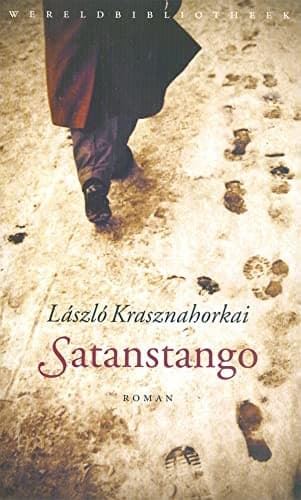
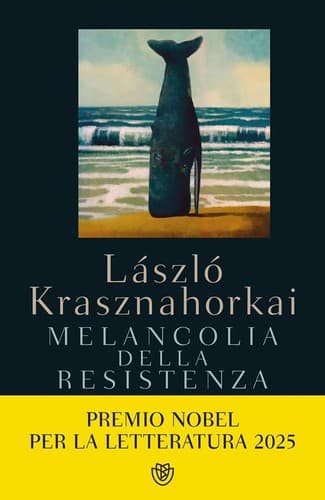
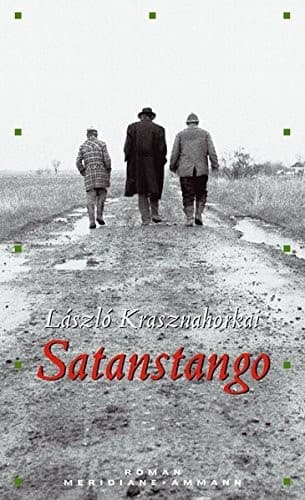
Author
Born 5 January 1954
Also known as Krasznahorkai, László., L. Krasznahorkai, Krasznahorkai
Krasznahorkai László (született 1954. január 5-én) magyar regényíró és forgatókönyvíró. Krasznahorkai nehéz és igényes, gyakran posztmodernnek bélyegzett regényeiről ismert, amelyek disztópikus és melankolikus témákat boncolgatnak. Számos művéből, köztük a Sátántangó (1985) és Az ellenállás melankóliája (1989) című regényeiből Tarr Béla rendező filmet készített. 2025-ben irodalmi Nobel-díjat kapott.
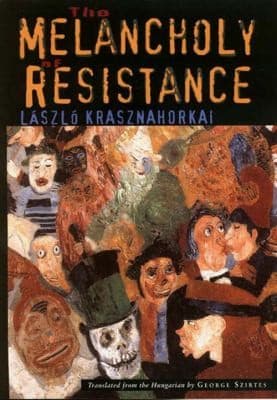
László Krasznahorkai (born 5 January 1954) is a Hungarian novelist and screenwriter. Krasznahorkai is known for his difficult and demanding novels, often labeled postmodern, which explore dystopian and melancholic themes. Several of his works, including his novels Satantango (1985) and The Melancholy of Resistance (1989), have been adapted into feature films by the director Béla Tarr. He was awarded the Nobel Prize in Literature in 2025.
Know something we should add or correct? Suggest a correction.
A way in
A considered starting point for reading László Krasznahorkai, drawn from catalog context and salon activity when available.
05
A clearly attributed work with a supported 2003 catalog date.
06
A clearly attributed work with a supported 2004 catalog date.
The catalog
21 works
Core ranking is using the catalog’s provisional quality order while the versioned ranking population is prepared.
14 cataloged editions
10 cataloged editions
9 cataloged editions
6 cataloged editions
5 cataloged editions
7 cataloged editions
3 cataloged editions
2 cataloged editions
1 cataloged edition
2 cataloged editions
1 cataloged edition
1 cataloged edition
Readers in conversation
Public notes, reviews, lists, and conversations around László Krasznahorkai.
"Any sense we had of existence was merely a reminder of the incomprehensible futility of existence, a futility that would repeat itself ad infinitum..." The first half of this double novella relates a failed academic's drunken retelling of his sponsored trip…
Krasznahorkai's oeuvre has a particular focus on futility, that the good times are behind us, that the future is nonexistent. Yet, there is spiritual resistance to this futility through art. Art exists wholly outside the sphere of our otherwise banal existenc…
Every book I have read so far in 2026, ranked in order of how much I enjoyed reading it.
A reader-curated list