

List
2026 Ranked
A reader-curated list
Author
Born 17 March 1948
Also known as William Ford Gibson, Gibson, William, William F. Gibson, Уильям Гибсон, Gibson, William, 1948-...., Gibson, William, 1948-, Гибсон, У. Ф. писатель-фантаст 1948- Уильям Форд, גיבסון, וילים, 1948-, Gibson, William (American writer, born 1948), Gibson, William Mr, William Ford Gibson III, 威廉·吉布森, 威廉·福特·吉布森, ويليام جيبسون, Uilyam Gibson, Ўільям Гібсан, Уилям Гибсън, উইলিয়াম গিবসন, Γουίλιαμ Γκίμπσον, ויליאם גיבסון, Ուիլյամ Ֆորդ Գիբսոն, ウィリアム・ギブスン, 윌리엄 깁슨, 윌리엄 포드 깁슨, უილიამ გიბსონი, വില്യം ഫോർഡ് ഗിബ്സൺ, Вильям Гибсон, Vilijam Gibson, Vilijam Ford Gibson
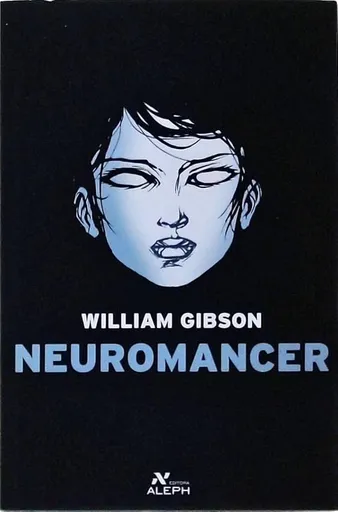
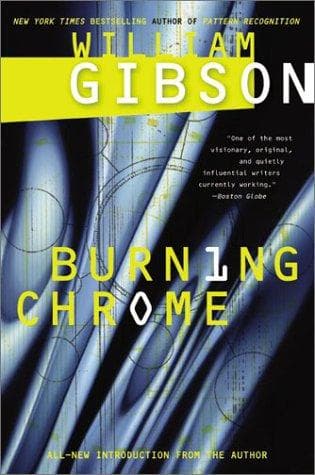
William Ford Gibson is an American-Canadian writer who has been called the "noir prophet" of the cyberpunk subgenre of science fiction. Gibson coined the term "cyberspace" in his short story "Burning Chrome" and later popularized the concept in his debut novel, Neuromancer (1984). In envisaging cyberspace, Gibson created an iconography for the information age before the ubiquity of the Internet in the 1990s. He is also credited with predicting the rise of reality television and with establishing the conceptual foundations for the rapid growth of virtual environments such as video games and the Web. (Source)
Photo by FredArmitage
35 works
64 editions

30 editions
30 editions
29 editions
28 editions
26 editions
24 editions
24 editions
21 editions
17 editions
15 editions
11 editions
9 editions
7 editions
6 editions
2 editions
2 editions
4 editions
1 edition
1 edition
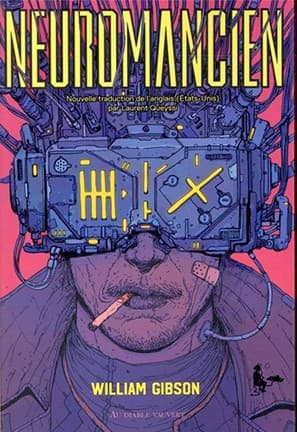
1 edition
1 edition
2 editions
2 editions
Readers in conversation
Public notes, reviews, lists, and conversations around William Gibson.
A reader-curated list
A reader-curated list
A shared hallucination owned by corporations and ripped through by prose that has fangs and takes speed. Rereading this after going through a lot more of the modern philosophy/theory fiction classics (Ballard, Burroughs, PKD, and Conrad) and things really cli…
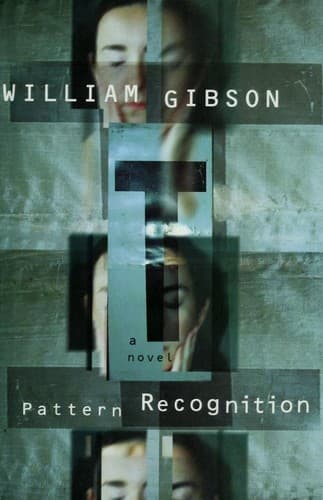
Logos, symbols, archetypes, meaningless patterns. Interesting concepts, but this novel's structure is too haphazard to do them justice, its twists and turns too convenient to convince me that any of this is more than a hazy stab at figuring out something that…
The past changes. Our version of the past will interest the future to about the extent we're interested in whatever past the Victorians believed in.
There must be some Tommy Hilfiger event horizon, beyond which it is impossible to be more derivative, more removed from the source, more devoid of soul.