What a clever novel. There are so many layers to peel and questions to be pondered.
The preface perfectly served as an introduction to the themes that would be explored and the ending is almost a perfect circle on the topic. Wilde says that art has no morality yet it is through this painting of his that Dorian draws him morality from.
The one thing I am walking away with is the fact that despite the Victorian era ending over 120 years, there is still a large percentage of people who still tie morality to appearances. One scroll through any social media platform, especially when it comes to public figures particularly politicians, will show that we haven’t made as much progress on that belief as we should have by this point. Even more so after the existence of Ugly Laws.
As one reads, the narrative never quite judges Dorian for his actions but rather that is left to the reader. What corrupts Dorian? Basil’s idolatry, Lord Henry’s influence, Dorian’s naivety or the strict moral code of Victorian society? Lord Henry, in particular, was such a strongly realized character who had so many opinions on how a life should be lived yet his life did not reflect that—but due to his influence, Dorian’s life, which he describes as “perfect” does. The painting starts with Basil, who is obviously in love with Dorian but rather than confessing that or at least showing it in any other way, he focuses on Dorian’s looks. Dorian, innocent like a baby foal, is easily influenced.
However, the most fascinating thing in this book was the way that artists—specifically Basil and Sibyl—were dismissed by Dorian and Lord Henry who did not make art. In a way, they were only valued due to the beauty of their art rather than their personhood, their reality. The scene with Dorian and Sibyl, who was very well-realized despite such a short appearance, perfectly captured this moment.
Truly a brilliant novel. I’ll be thinking of this one for a long while.
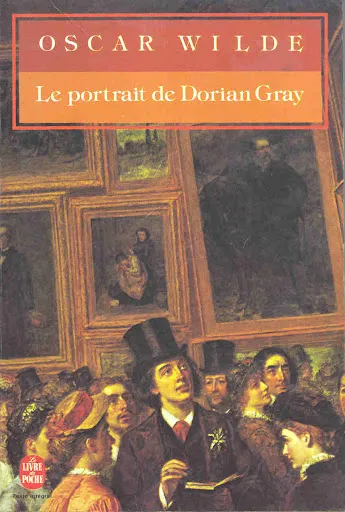
Quite the stylistic coup. Wilde's so synonymous with his witticisms that if you're to tell your aging, bookish-when-it's-conversationally-fashionab...

I find this book very interesting in that it is a pretty straight-foward ptolemic on how class in the United States functions, or doesn't function,...
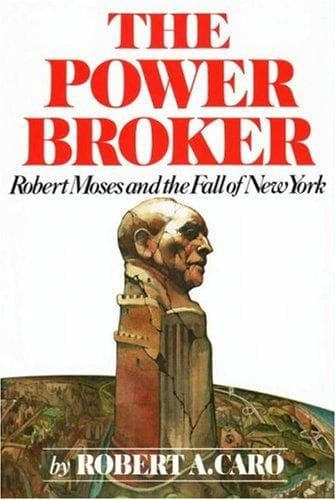
I wanted to dislike this book because I am a natural contrarian. I cannot.